Writing on soil, humates and what actually changes a block. Republished from articles already written.
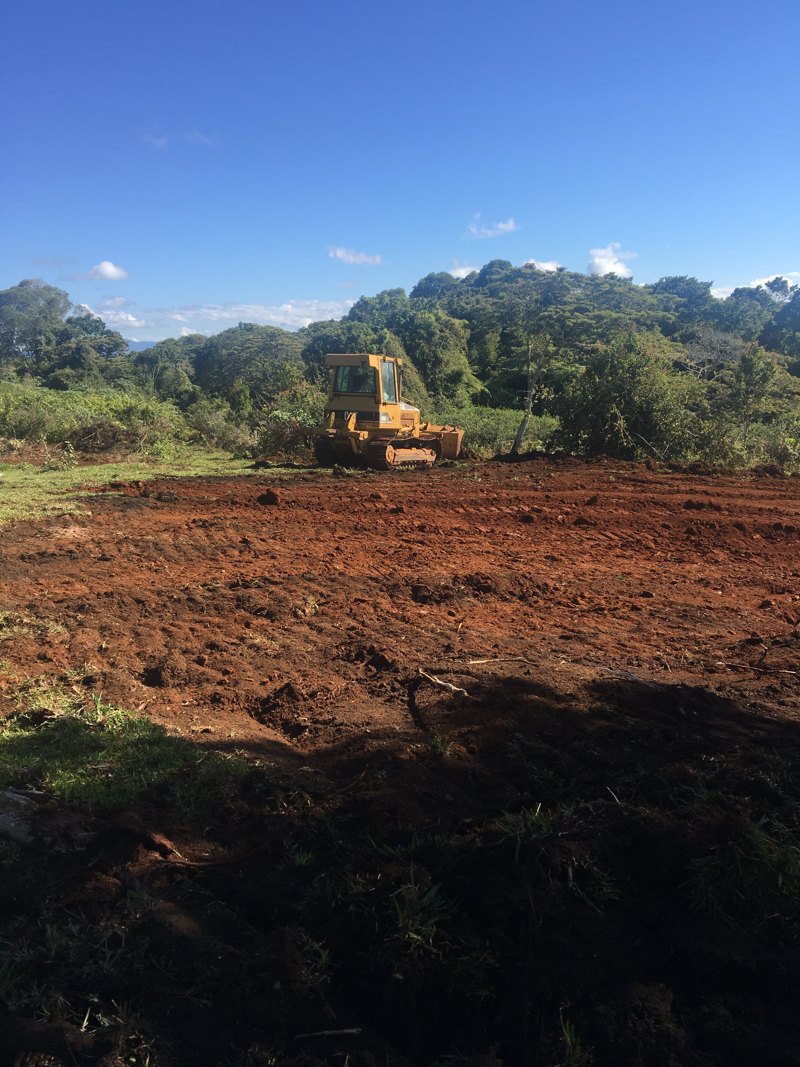
Ask most farmers what limits their yield and they will point to the weather, the price of fertiliser, or the last bad season. All of that is real. But underneath every one of those problems sits the same quiet answer: the soil.
Panama disease Tropical Race 4 has spread from Asia across the Middle East, Africa and Latin America to the Tully Valley in North Queensland. What it is, how fast it moves — one plantation we watched die in twelve months — and what actually works against it.
How do you prove a soil conditioner works? We commissioned an independent, randomised, replicated trial, run by a government research centre on sweet corn and Cavendish banana — and the numbers show a clean dose response to three tonnes per hectare.
“Humate” gets used far more often than it gets explained. Growers are told it will improve their soil, hold water and cut fertiliser bills — all true — but rarely why. The mechanism is worth understanding, because it changes how you use the product.
Most agricultural inputs are aimed at the plant — a dose of nutrient, a spray, water at the right moment. The idea here is almost the opposite: look after the soil, and the soil will look after the plant.
Every grower thinks about water, but most think about it at the tap. The bigger reservoir is the one under your feet. Four ways water leaves a paddock before a plant ever uses it — and how to fix them.
