The Black Stuff comes from a single volcanic maar on the Atherton Tablelands. It cannot be manufactured and it cannot be sourced anywhere else.
A volcanic maar about 12 kilometres south-east of Malanda, on the Atherton Tablelands. Over tens of thousands of years, under standing water with no oxygen, plant material accumulated and compressed. The humic and fulvic acids concentrated — and, unusually, stayed available. Nothing has to be done to activate them.
The product works without processing. It is a naturally occurring humate that persists in soil for years rather than weeks, and manufactured products cannot copy it.
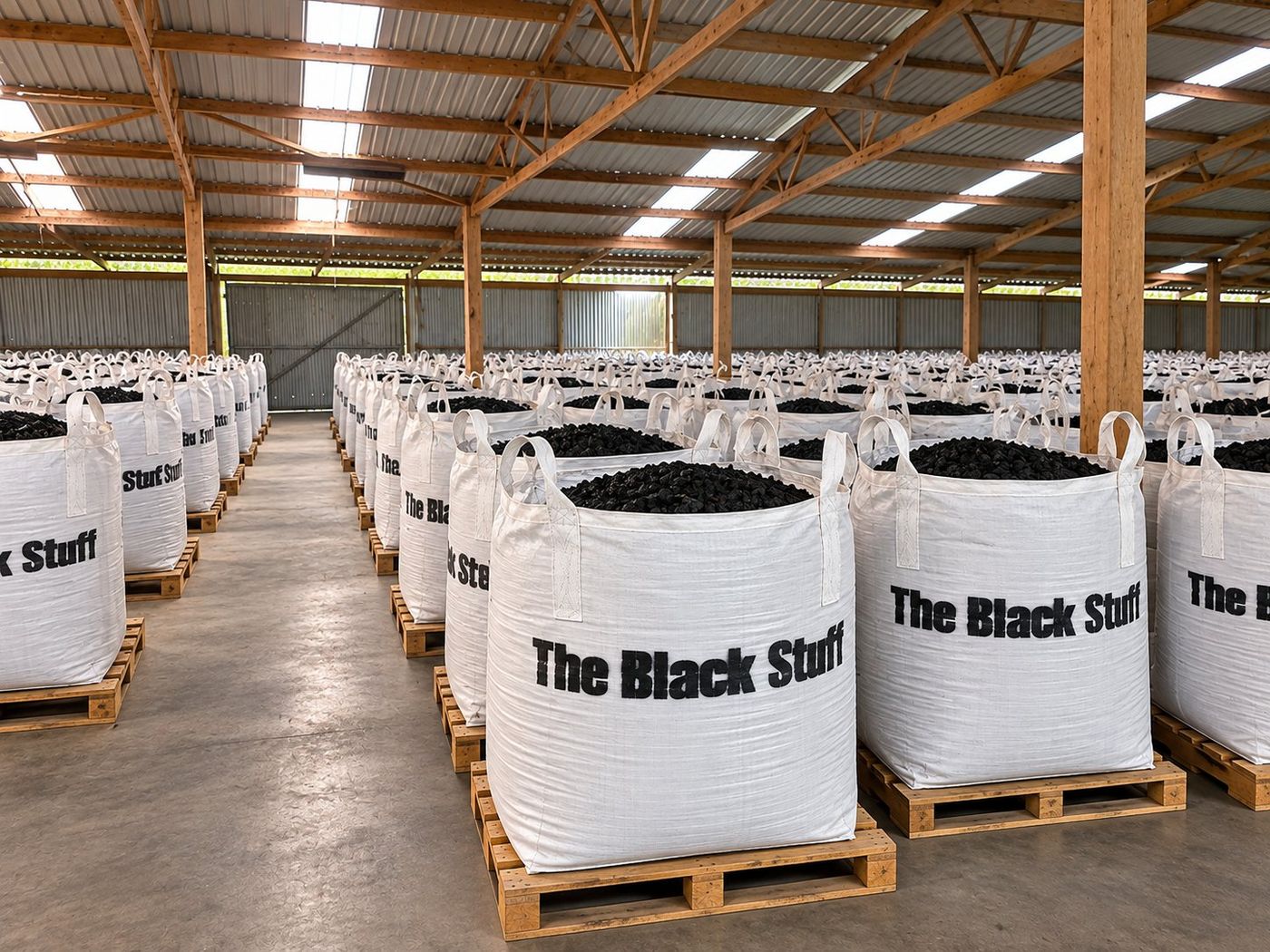
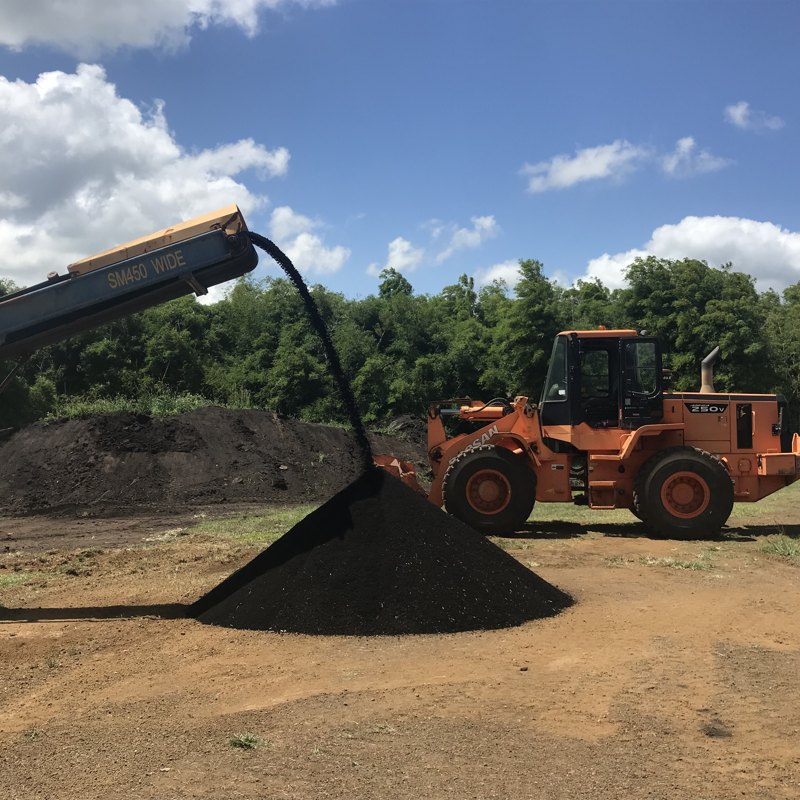
The Black Stuff is screened, blended and bagged. There is no chemistry involved at any stage.
Who runs it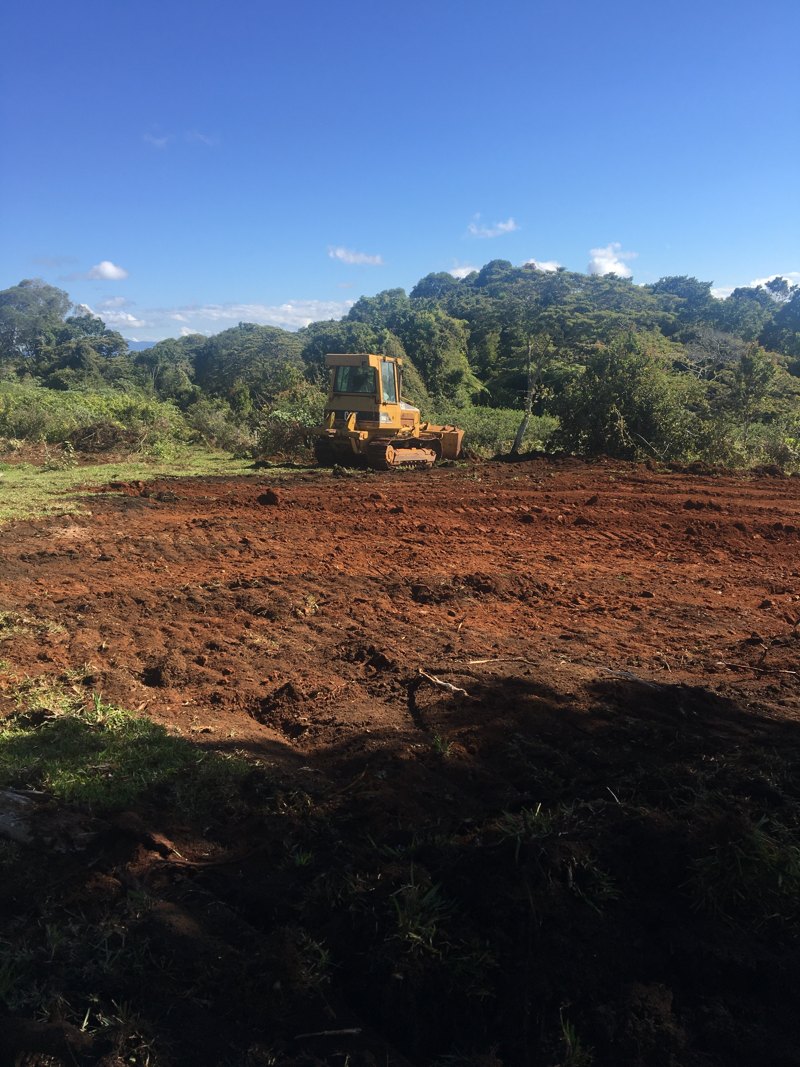
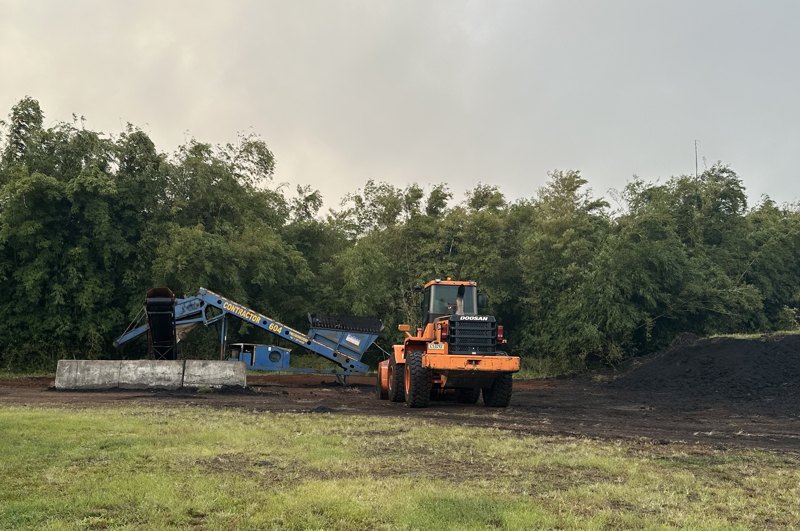
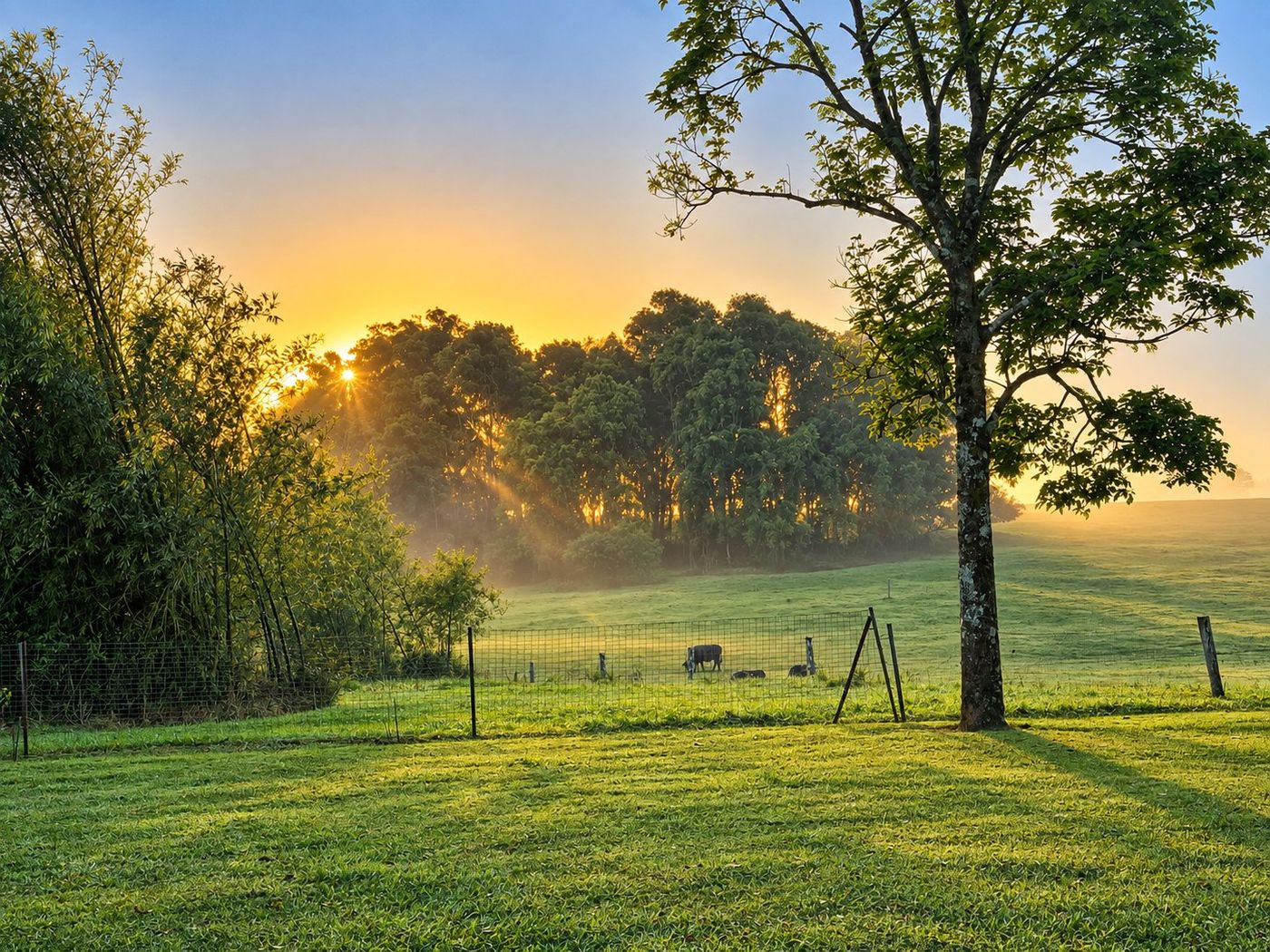
Lynch's Crater is not a paddock someone started digging. It has been core-drilled and mapped by universities, government geologists and commercial drillers for half a century.
| Year | Who | What |
|---|---|---|
| 1976 | Kershaw | Geological mapping |
| 1985 | Monash University | Three core holes — peat and humate analysis |
| 2001 | Weil, geologist | 18 core holes — extensive mapping of the resource |
| 2004 | James Cook and Monash Universities | One core hole — peat to 17 m |
| 2013 | Lait & Serra Drilling | Water analysis |
| 2020 | Drill North | Single core hole to 47 m |
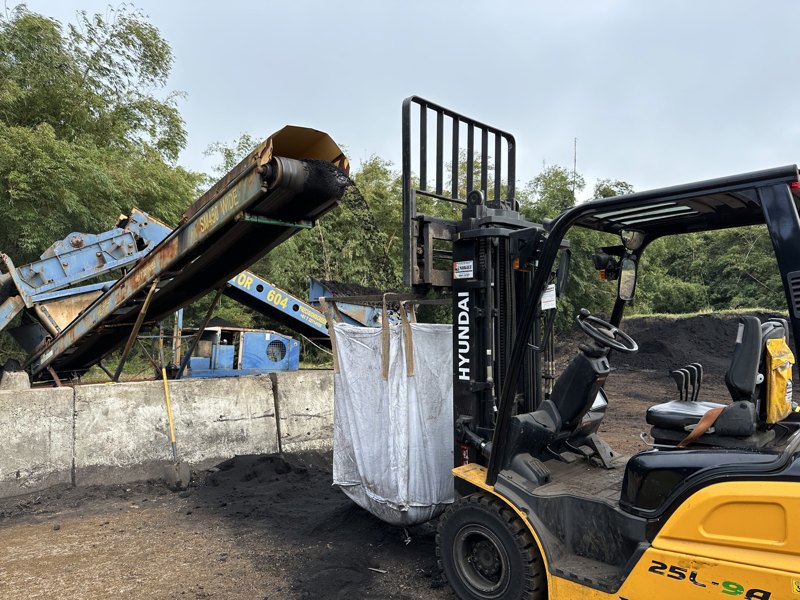
Lynch's Crater is one of the better-documented sediment records in northern Australia, and the reason is that palaeoclimate researchers have been interested in it for decades. The commercial deposit sits in the same ground they were coring.
We are locals. We know and respect the local environment.
Operator. Sources, screens, packs and sells the product. Locals employing locals, and helping our local environment and farmers.
ABN 56 087 365 893
Three pieces on soil, humate chemistry and water, written for growers rather than for chemists.
