Six Queensland growers, named and published with their consent, with the block, the soil, the rate and what they saw. No anonymous quotes.
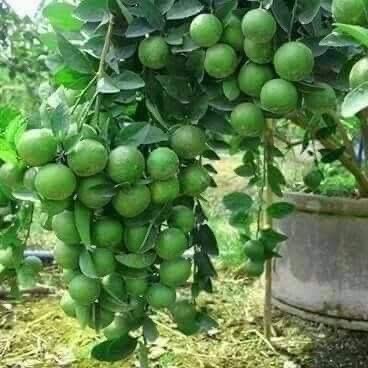
“Before the application, much of the fruit was ‘pale’ — it would set but never grow to commercial crop. With TBS the trees are a dark green.”
Planted 1998. Lemons 4 ha, limes 1.2 ha. TBS applied 2022: 7 m³.
Full story →“From one or two fruit where they set, I'm now seeing up to a dozen fruit per set.”
9 rows over 1.6 ha, originally planted 2006. One row treated as a trial in 2018; on seeing the result the entire block was treated in 2019.
Full story →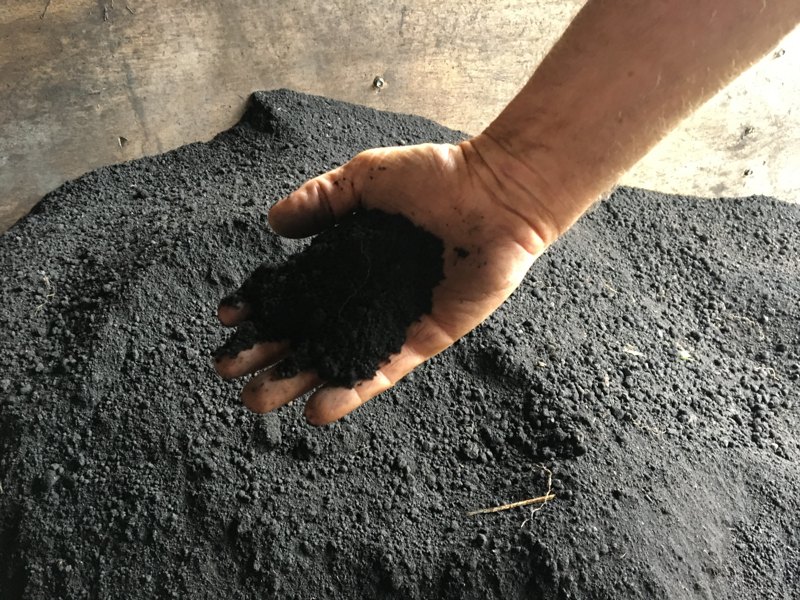
“The TBS-applied plants are a strong green while the untreated plants are pale and anaemic.”
300 trees planted 2020, a further 150 in 2023 — both lots identical before treatment. 2 m³ applied July 2025 to the original 300.
Full story →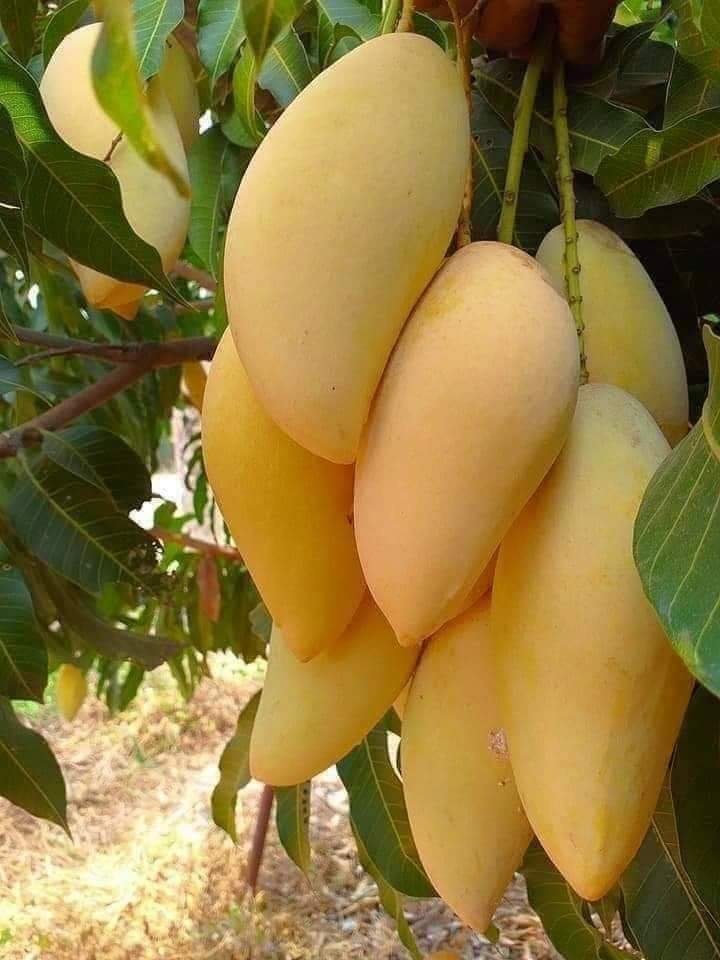
“The lilli pilli is doing particularly well. The Davidson plum produced early.”
600 Australian native fruit trees planted 2021 — lilli pilli, Davidson plum, tamarind and lemon aspen — all on TBS-treated soils.
Full story →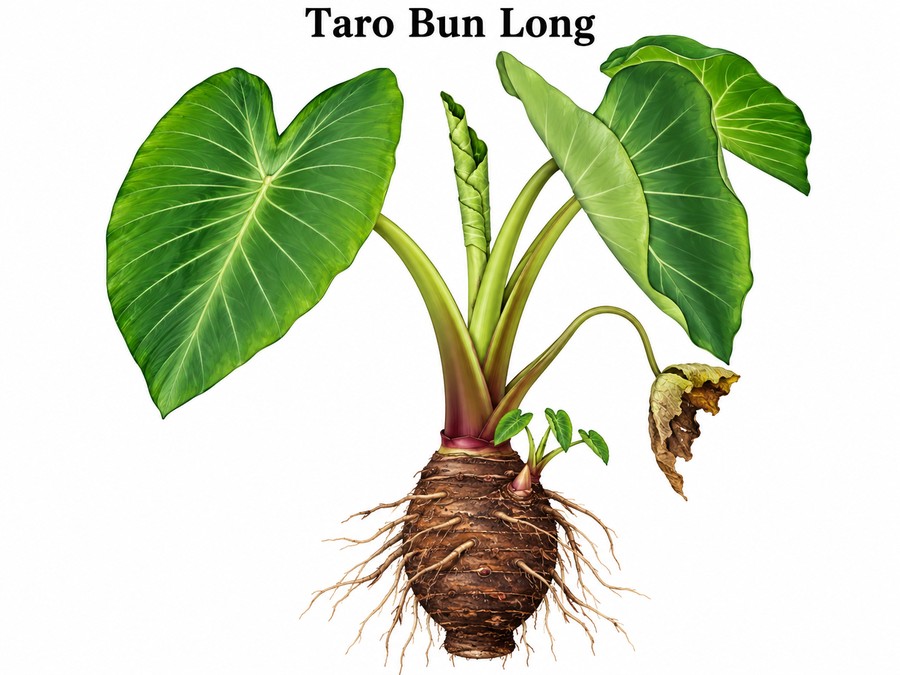
“The portion of the block that had the humate applied appeared to be healthier, had thicker stronger petioles, and larger greener leaves. The difference was noticeable.”
TBS applied alongside dolomite lime, gypsum and a balanced NPKS fertiliser at planting.
Full story →
“Plants are healthy and have a good growth rate.”
TBS added at planting in 2025.
Full story →Every grower above worked it out the same way — treat part of the block, leave part untreated, and look at the difference a season later. It is the fourth step in our application guide, and it is how you will know.
