A crop grown for what is under the ground, on country that swings between drought and monsoon. Soil structure is the whole game.
Root and corm crops are limited by what the soil will let them do physically. Tight, poorly structured ground restricts development no matter how good the nutrition programme is.
Far North Queensland makes that harder. A block can go from prolonged drought to more than 200 mm of rain in a day. Soil that cracks in the dry and seals in the wet gives the crop neither air nor water when it needs them.
It binds fine particles into crumbs, which improves aeration and infiltration, lifts water-holding capacity, and reduces cracking and run-off. The same change helps in both halves of that season.
It also holds applied nutrient in the root zone rather than letting a monsoonal event carry it away.
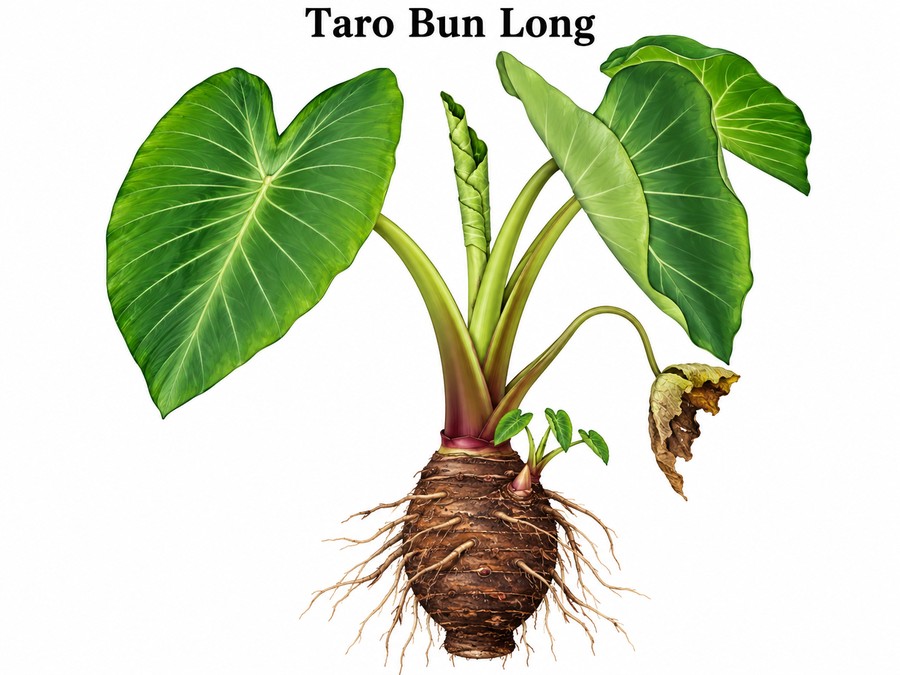
At O'Briens Hill it went on alongside dolomite lime, gypsum and a balanced NPKS fertiliser. It is a soil conditioner, not a fertiliser.
Dark alluvial clay loam. Structure work shows up quickly on this country.
One season, one block, no formal control. This is a grower observation, not a replicated trial.
Manou Vue, Fresh Touch, O'Briens Hill QLD. Applied alongside dolomite lime, gypsum and a balanced NPKS fertiliser at planting, on dark alluvial clay loam. An extreme season — prolonged drought followed by monsoonal rain over 200 mm a day. · Read the full story
Starting points. Adjust with local agronomic advice and a current soil test.
| Situation | Rate | How to place it |
|---|---|---|
| At planting | 3–5 m³/ha | Spread evenly and incorporate before planting. It works well alongside a normal lime, gypsum and NPKS programme. |
| Between rows | 0.3 L per m² | Between rows or around the root zone; work in and cover. |
| Garden scale | 0.3 L per m² | 10 L pails. Worked into the bed before planting. |
Tell us the area and where you are, and we will come back with a competitive price.
