Two named growers on the Tablelands, one of them with a quantified result he has held across seasons.
| At a glance | |
|---|---|
| Rate | 3–5 m³/ha |
| Method | Evenly over the root zone and incorporate, or trench at the edge of the root zone, apply and cover |
| Timing | At planting, or into established blocks |
| Cost | $2,100–3,500 + GST per ha, ex factory |
| Applied | Once |
| Growers on record | 2 |
Coarse soils drain faster than a citrus root system can draw on. You irrigate more often for the same result, and pay for it every time.
Soluble nutrient leaches below the root zone before the tree takes it up. You buy it once and lose it once.
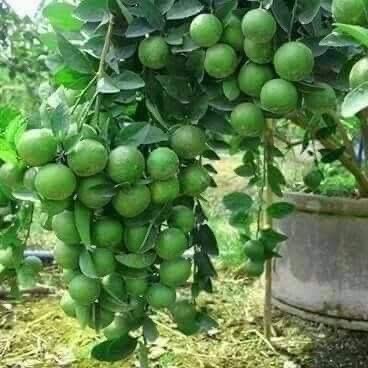
The most expensive version of this problem: fruit that sets, stays pale, and never makes commercial grade.
Oscar Bugno has been growing at Dimbulah since 1998 — four hectares of lemons and 1.2 hectares of limes, on sandy soil in the upper paddock.
Before TBS, much of the fruit was pale. It would set, and then never make commercial grade. Seven cubic metres went on in 2022.
The trees are now dark green and carrying commercial fruit.
Oscar and his son Dwayne are strong advocates for the product.
His full accountJohn Jennings has 9 rows of limes over 1.6 hectares at Mareeba, planted in 2006 on sandy soil.
He treated one row in 2018 to see what would happen. On the strength of that, the whole block went on in 2019.
He was getting one or two fruit where they set. He now sees up to a dozen — more than a 200% increase, held across seasons. John's own words are that it is “much more than that”.
His full account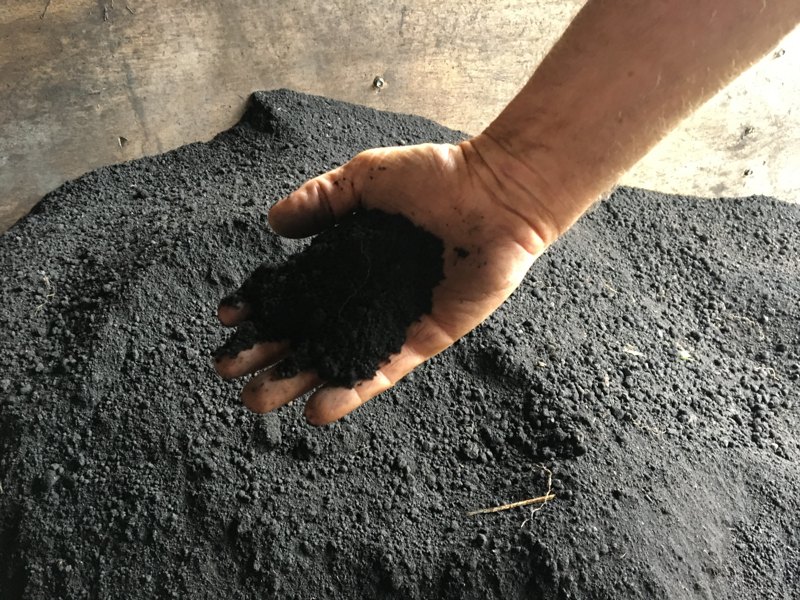
Spread evenly over the root zone at 3–5 m³/ha before planting and incorporate, or work it into the planting hole.
Trench at the edge of the root zone, apply, and cover. Places the product where the feeder roots are without disturbing the tree.
Cover it straight away. Water it in well — dry product sheds water until it rehydrates. And leave yourself an untreated strip, so that in a season you know rather than guess.
Tell us the area and where you are, and we will come back with a competitive price.
